Part 2 of 5 in The Hum of the Hedgerow, a five-part series by Tom Berry, founder of WildWyn, first published on ShootHub by Guns on Pegs.
Shooting estates create huge amounts of wildlife habitat, and almost none of it is paid for by the taxpayer. So what keeps it going?
Most people picture a shoot as a single winter's day. A line of people with guns, dogs at their feet, birds overhead. Few picture the other 300+ days of the year. This year's Game Shooting Census, run by Guns on Pegs with the Game & Wildlife Conservation Trust, BASC and the Countryside Alliance, set out to measure them. Its respondents manage more than 1.1 million acres, an area bigger than Cornwall.
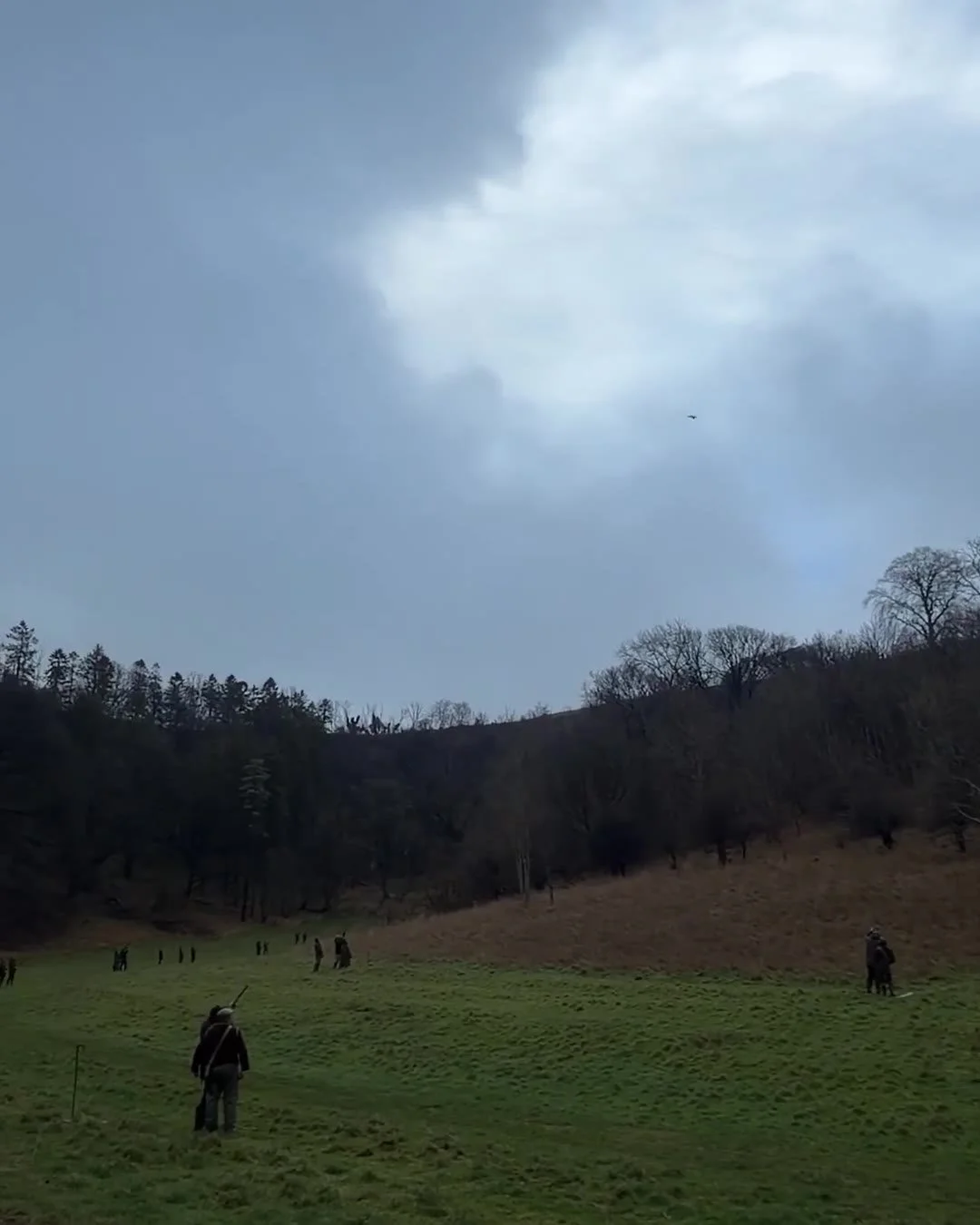
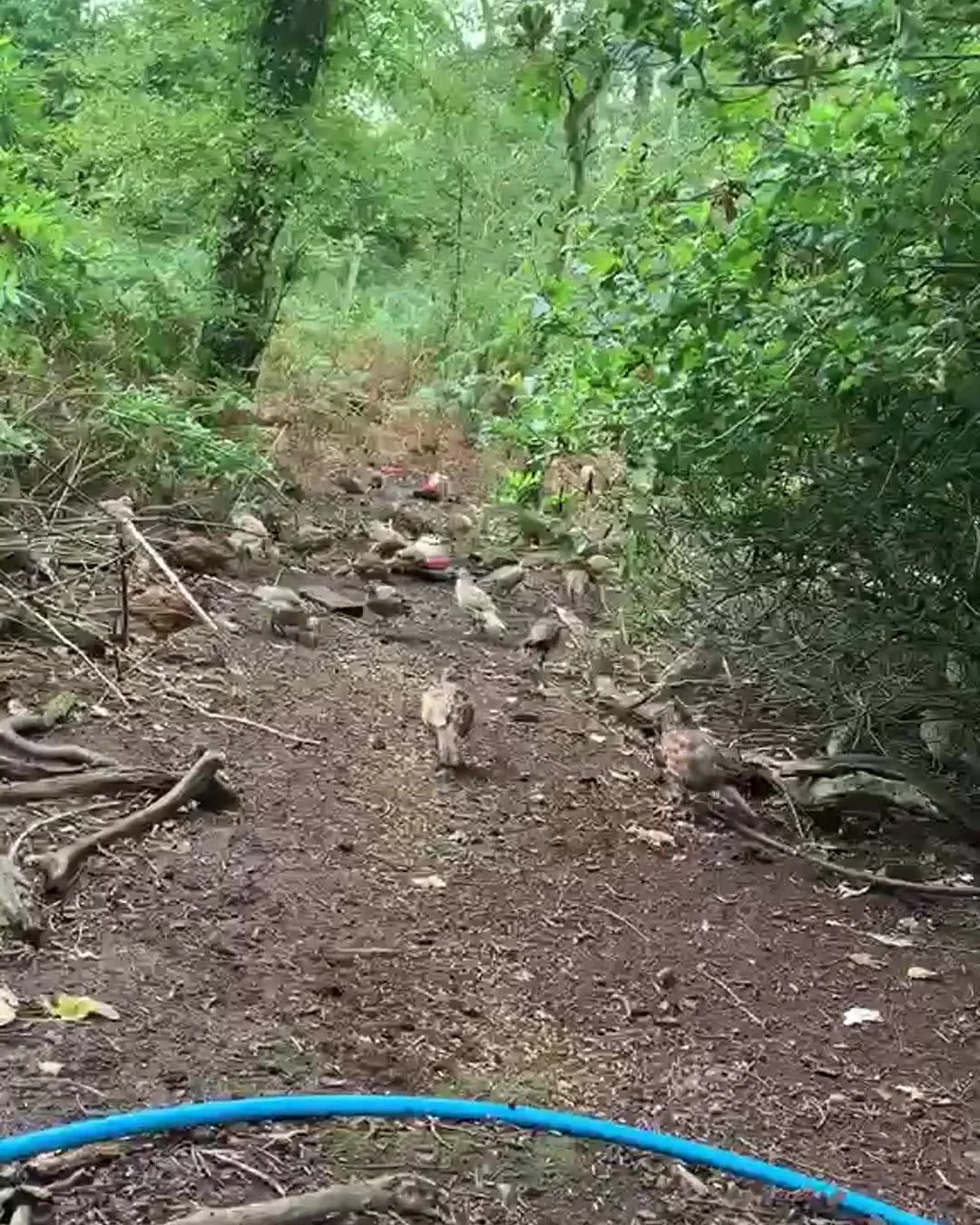
What happens on that land is striking. 78% of shoots put out food for songbirds through the winter. 77% look after woodland and 63% manage hedgerows. 61% grow wild bird seed mixes, for the crops sown not to be harvested, but to feed finches, buntings and sparrows through the hungry months. The average shoot plants 30 acres of these every year. Then look at who pays. Most of this work receives no public money at all. 88% of pond management and 76% of woodland work on shoots is self-funded. Only 8% of shoots are even run to make a profit. Asked what would happen if shooting stopped, 79% said winter feeding for songbirds would fall, along with hedgerow care (69%) and wild bird seed crops (68%).
“We invest in cover crops, hedges and winter feeding not only to help the shoot, but to look after our estate and the wildlife, which we all enjoy. Its a delicate ecosystem that needs management and I take pride in doing so”
Peter Marchwood, Kemble
It's a chain. The keeper does the work, the landowner gives up the ground, and the people who shoot pay for both. Break one link and the wildflower strip goes back to the plough.
This isn't a debate about whether shooting is right or wrong. It's about how things actually get done. Nothing lasts unless someone has a reason to keep paying for it, and conservation is expensive. Public money for nature exists, but it is stretched thin and competes with schools, hospitals and defence. It will never stretch to millions of acres of hedges, woods and winter bird food. Shooting already pays for that, privately and willingly, because the people involved have a reason to.
Source: Guns on Pegs and Lycetts, Game Shooting Census 2026: Shooting by Numbers, conducted June 2026
Catch up on the series. Read Part 1. All five parts run on ShootHub by Guns on Pegs. Part 3, The Gap, follows next week: what really happens when the management stops, and why neglect is not the same as rewilding.
WildWyn supplies whole dried black soldier fly larvae to shoots and estates across the UK. If you run a shoot, find out more at wildwyn.co.uk/game.
