
Part 1 of 5 in The Hum of the Hedgerow, a five-part series by Tom Berry, founder of WildWyn, first published on ShootHub by Guns on Pegs.
Britain has lost a startling share of its insects. Some of the people quietly doing most about it are gamekeepers.
Remember summer drives when the windscreen ended up spattered with insects? Most of us don't see that any more, particularly if you live near a big town or city. Each year, volunteer drivers in the Bugs Matter survey, run by Kent Wildlife Trust and Buglife, count the insects squashed on their number plates. Between 2021 and 2025 that count fell by 59%. Scientists point towards lost wild places, battered farmland, and insecticide sprays that kill more than they aim at, and essentially a countryside feeling the impact of our human needs.
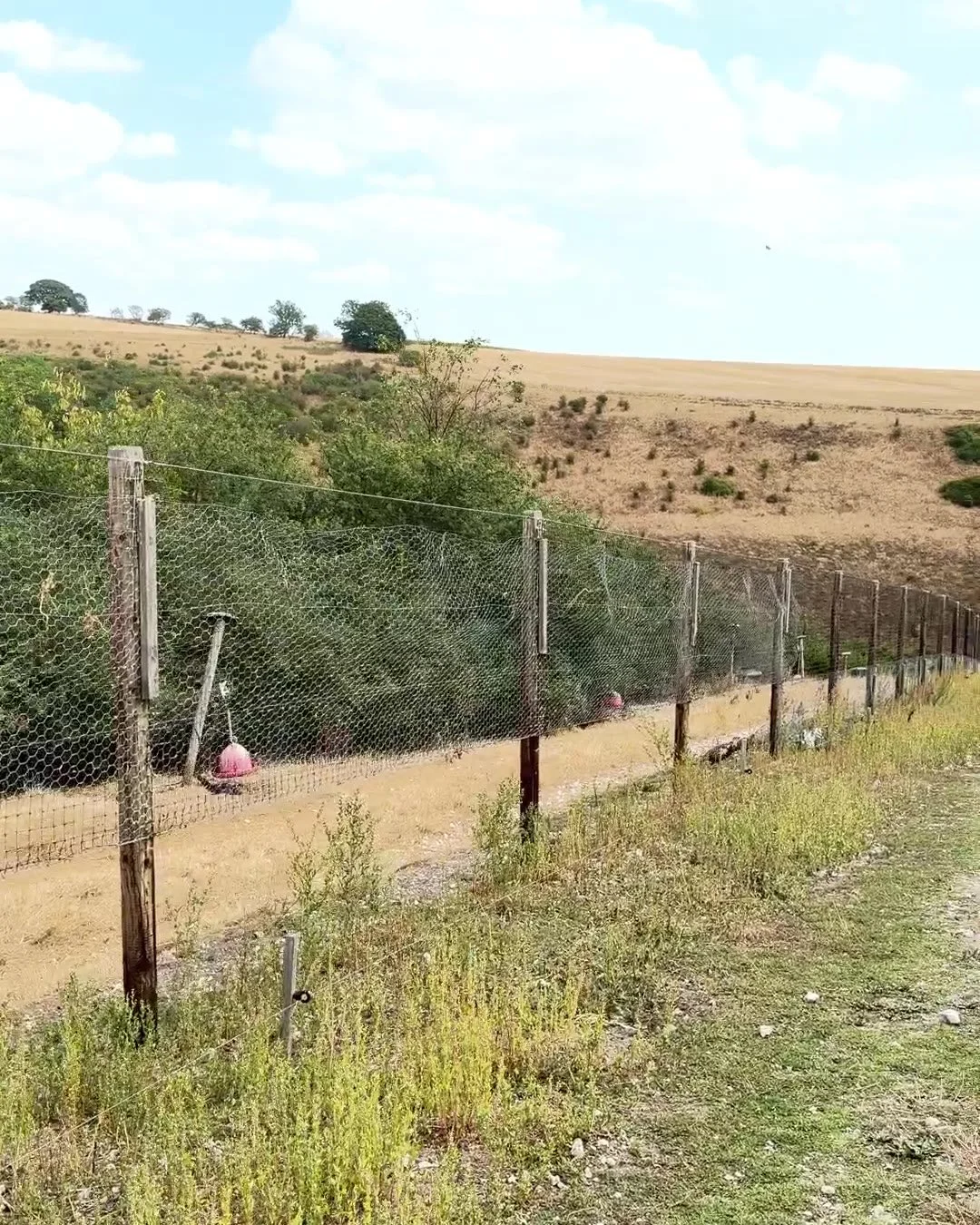
There are around a million known insect species on the planet, and they are the first link in the food chain for most birds, fish and other small animals. A newly hatched partridge or pheasant chick has only weeks to grow feathers, muscle and bone, and for its first fortnight it would naturally only eat almost nothing but insects: beetles, aphids and small caterpillar-like grubs. Skylarks, yellowhammers and many other songbirds feed their young the same way.
Since 1968 the Game & Wildlife Conservation Trust has studied grey partridges on the Sussex Downs. When weedkillers stripped out the wild plants that insects live on, chick survival collapsed, and the partridge with it. In the 1980s the same researchers found a simple fix: leave the outer few metres of a cereal field unsprayed. The insects came back, and so did the chicks, although not without a lot of hard work from those actively managing it.
Who put that fix into practice? Mostly gamekeepers, not environmentalist volunteers, the people who have looked after the land and wildlife on country estates for centuries. Wildflower strips along field edges, grassy banks where beetles sit out the winter ready to feed next spring's chicks, hedges left to flower etc… much of it was happening on shooting estates long before "biodiversity" became a buzzword. In my view, keepers are, and always have been, actually some of the biggest insect conservationists in this country whether they realise it or not. They just measure success differently, not in charts, but in whether the chicks in June have something to eat and birds are behaving well during the season.
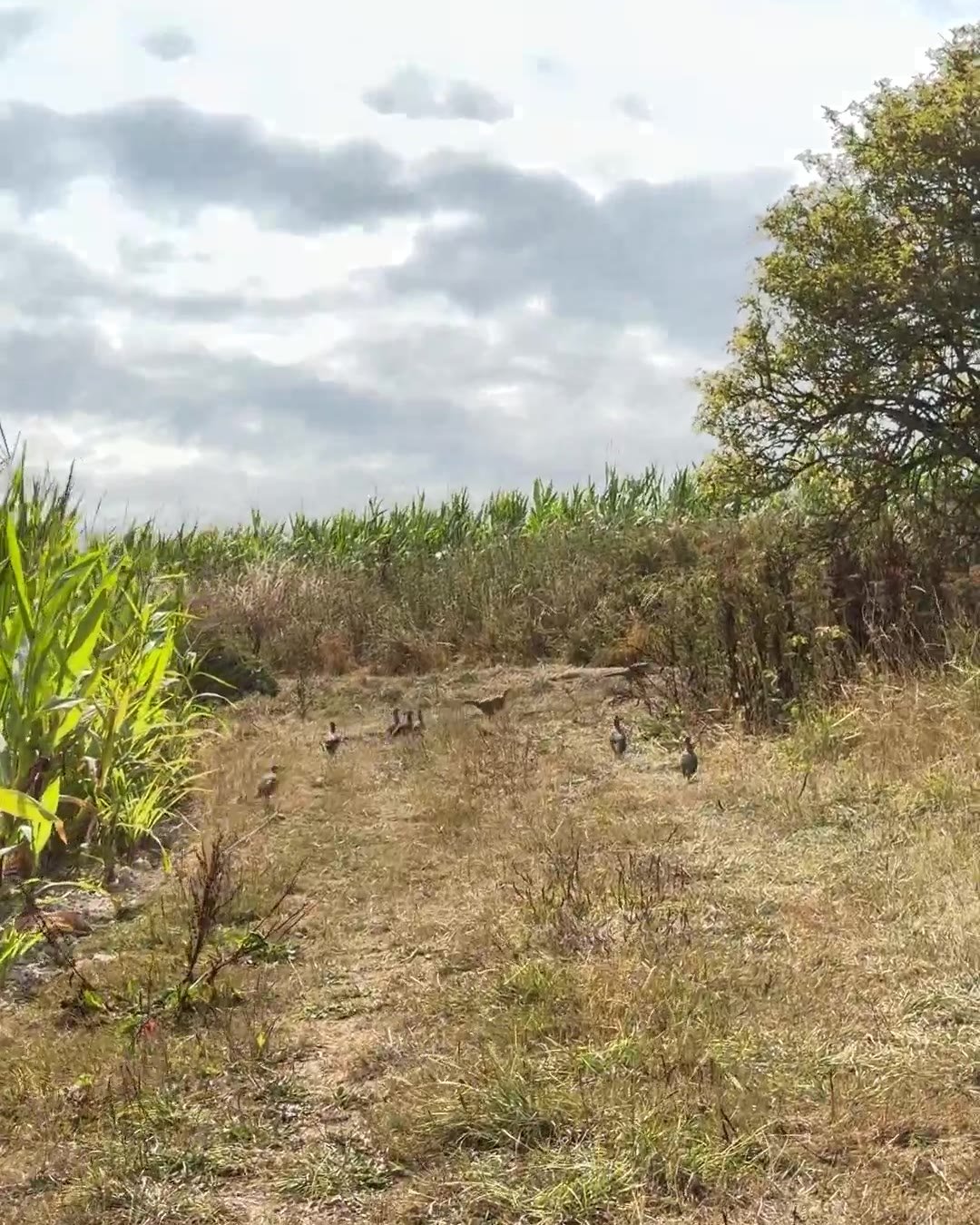
"What's going on with the insects often massively impacts the season, and this one has been weird already with the erratic weather. Expect this to be more and more unpredictable."
Dave Luff, Head Keeper, Mongewell Shoot
This autumn the government asked the public what it thinks of gamebird shooting, through a Defra call for evidence covering everything from habitats and wildlife to welfare. I think that's a good thing. Questions about how the countryside is run deserve to be asked in the open, and answered with evidence rather than assumption and hopefully exposes and rewards the massive contribution and solution keepers and estate owners are already providing. The hard, regular and unseen work rarely makes the news. Next time you drive through farmland in summer, look at the field edges. If they're buzzing, someone made that happen. It takes skilled, full-time people, and I think they should be given more trust and understanding in society.
Sources
Bugs Matter, Kent Wildlife Trust and Buglife, Nov 2025. Potts, G.R. (1986) The Partridge: Pesticides, Predation and Conservation; Rands, M.R.W. (1985), Journal of Applied Ecology.
Read the full series. The Hum of the Hedgerow runs in five parts on ShootHub by Guns on Pegs. Part 2, The Incentive, follows next week: who actually pays for the hedgerows, wild bird crops and woodland on shooting estates.
WildWyn supplies whole dried black soldier fly larvae to shoots and estates across the UK. If you run a shoot, find out more at wildwyn.co.uk/game.
